
Mass Spectrometry for Nuclear Fusion Research
Measure the fuel. Characterise the plasma. Understand the materials.
Hiden Analytical mass spectrometry systems support nuclear fusion research across the fuel cycle, vacuum environment, plasma and plasma-facing materials.
From real-time hydrogen-isotope and residual-gas analysis to species-resolved plasma diagnostics, SIMS depth profiling and thermal desorption studies, our instruments help researchers connect operating conditions with measurable physical and chemical behaviour.
Explore Fusion Measurement Solutions
Fusion Fuel Cycle and Vacuum Diagnostics
Follow hydrogen and helium isotopes through fuel, exhaust and vacuum systems.
Analyse fusion fuel composition, separate challenging hydrogen and helium isotope signals, identify impurities and monitor residual gases across demanding vacuum environments.
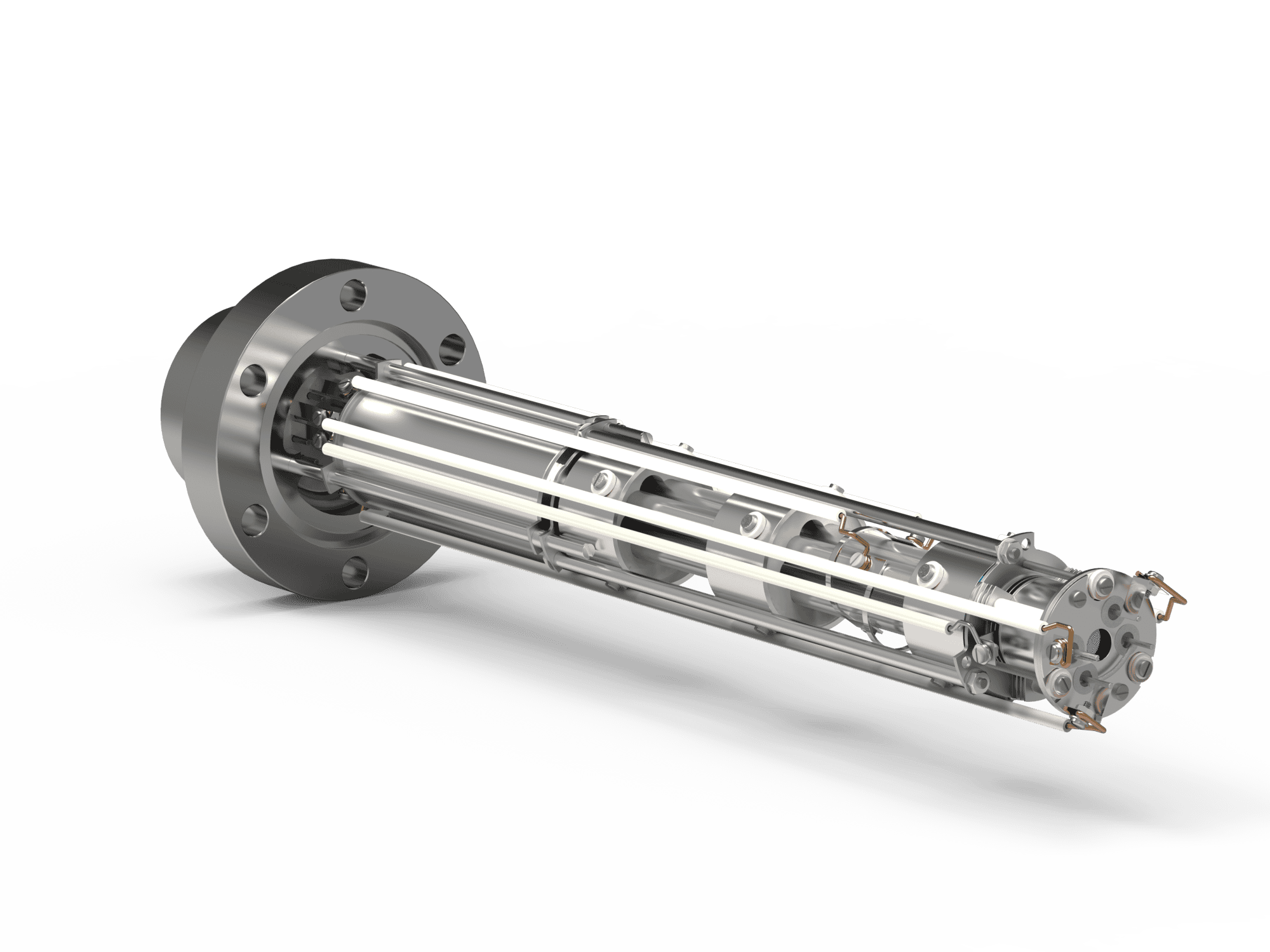
DLS-1
Real-Time Fusion Gas Analysis
Designed for real-time fusion fuel-gas analysis, the DLS-1 provides quantitative measurement of hydrogen and helium isotopes and deuterated compounds. Threshold Ionisation Mass Spectrometry supports fuel-composition and purity measurements, including D₂ in He.
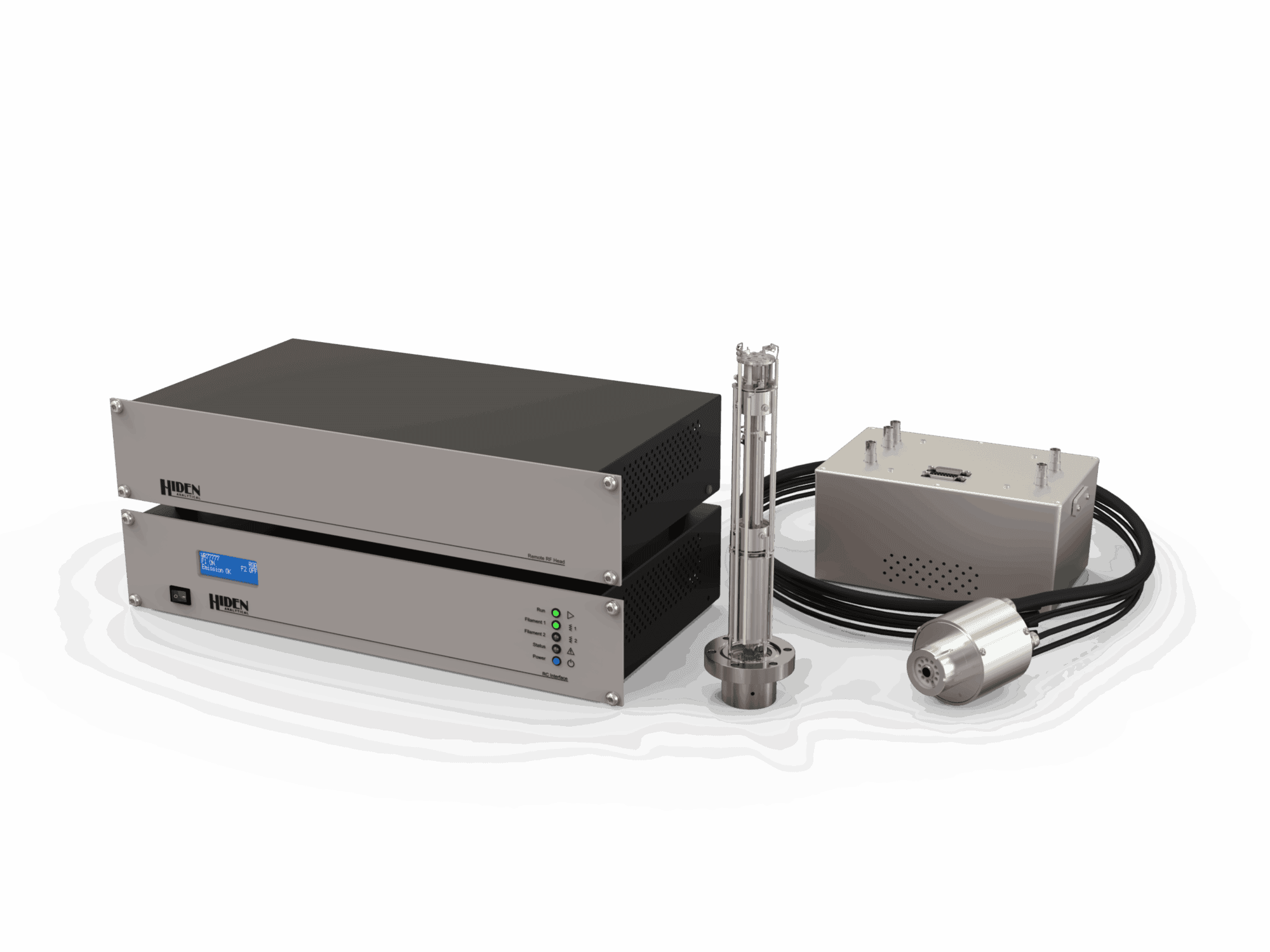
DLS-2 / DLS-2X
Dual Zone Isotope and Vacuum Analysis
Designed for hydrogen- and helium-isotope analysis in fusion fuel and vacuum systems. Software-selectable Dual Zone operation combines high-resolution isotope measurements with analysis of the wider residual-gas environment, while the DLS-2X supports remote analyser installation for demanding fusion facilities.
DLS-20
Ultra-High-Resolution Isotope Analysis
Ultra-high-resolution mass spectrometry for demanding fusion isotope measurements. The DLS-20 separates closely spaced hydrogen and helium species, including ³He from HD, with sensitivity down to 1 ppm for He in D₂ and D₂ in He. Dual Zone operation also enables wider residual-gas analysis.
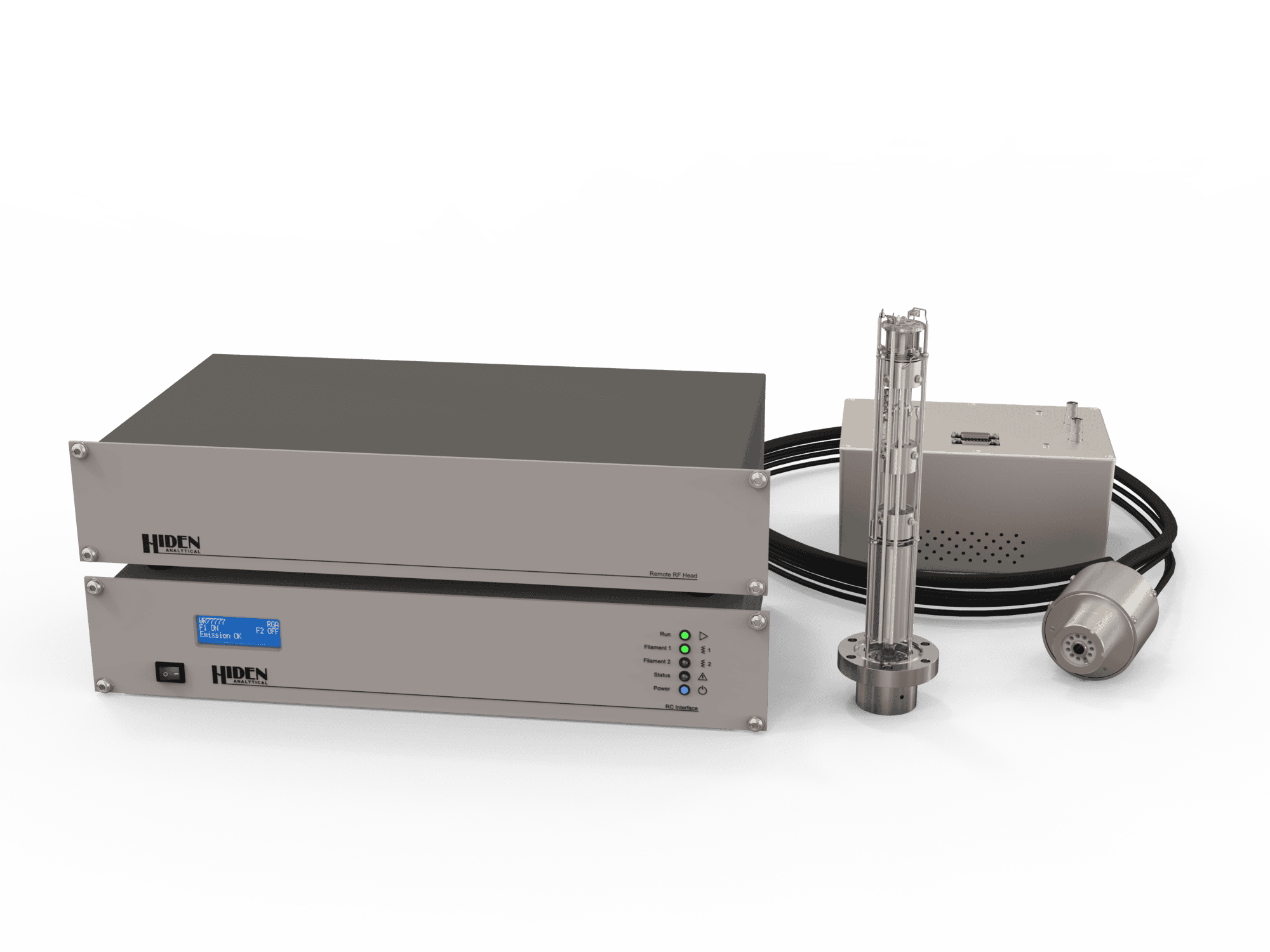
HAL 101X
Remote Fusion Gas and Vacuum Monitoring
Designed for gas and vacuum monitoring in tokamak and torus fusion environments. The HAL 101X combines real-time fusion fuel-gas analysis with residual-gas monitoring, leak detection and vacuum diagnostics, with remote analyser mounting up to 140 m from sensitive electronics.
Plasma Diagnostics with Mass and Energy Analysis
Move from bulk plasma conditions to species-resolved chemistry and energy.
Measure the species present in a plasma together with their charge state and energy distributions to investigate plasma formation, transport, ion-source behaviour and plasma-surface interactions.
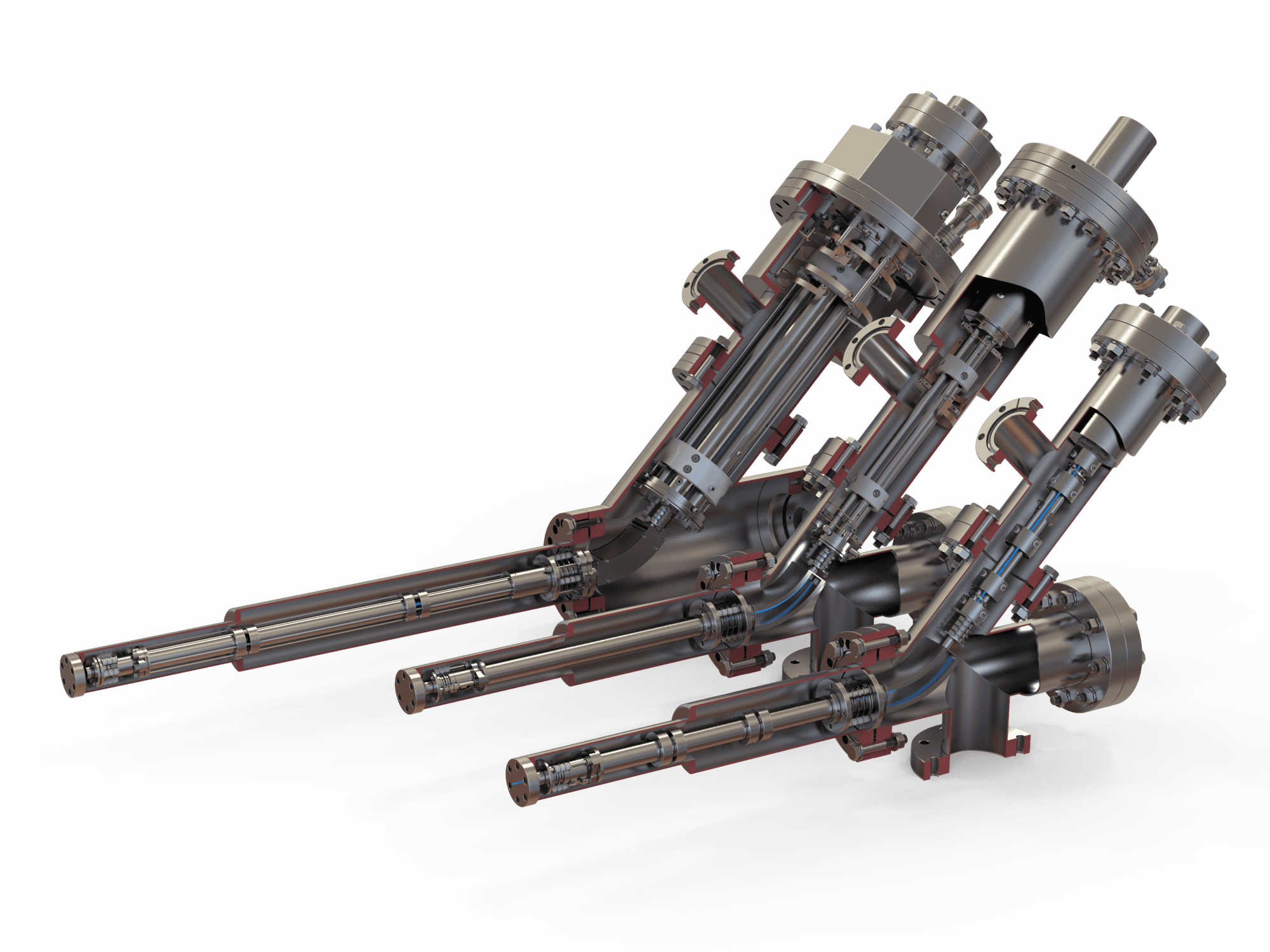
EQP Series
Mass and Energy Analysis of Plasma Species
Mass- and energy-resolved analysis for fusion plasma and ion-source studies. The EQP Series characterises positive and negative ions together with neutral and radical species, helping researchers investigate plasma chemistry, ion-energy distributions, plasma-surface interactions and ion-source behaviour.
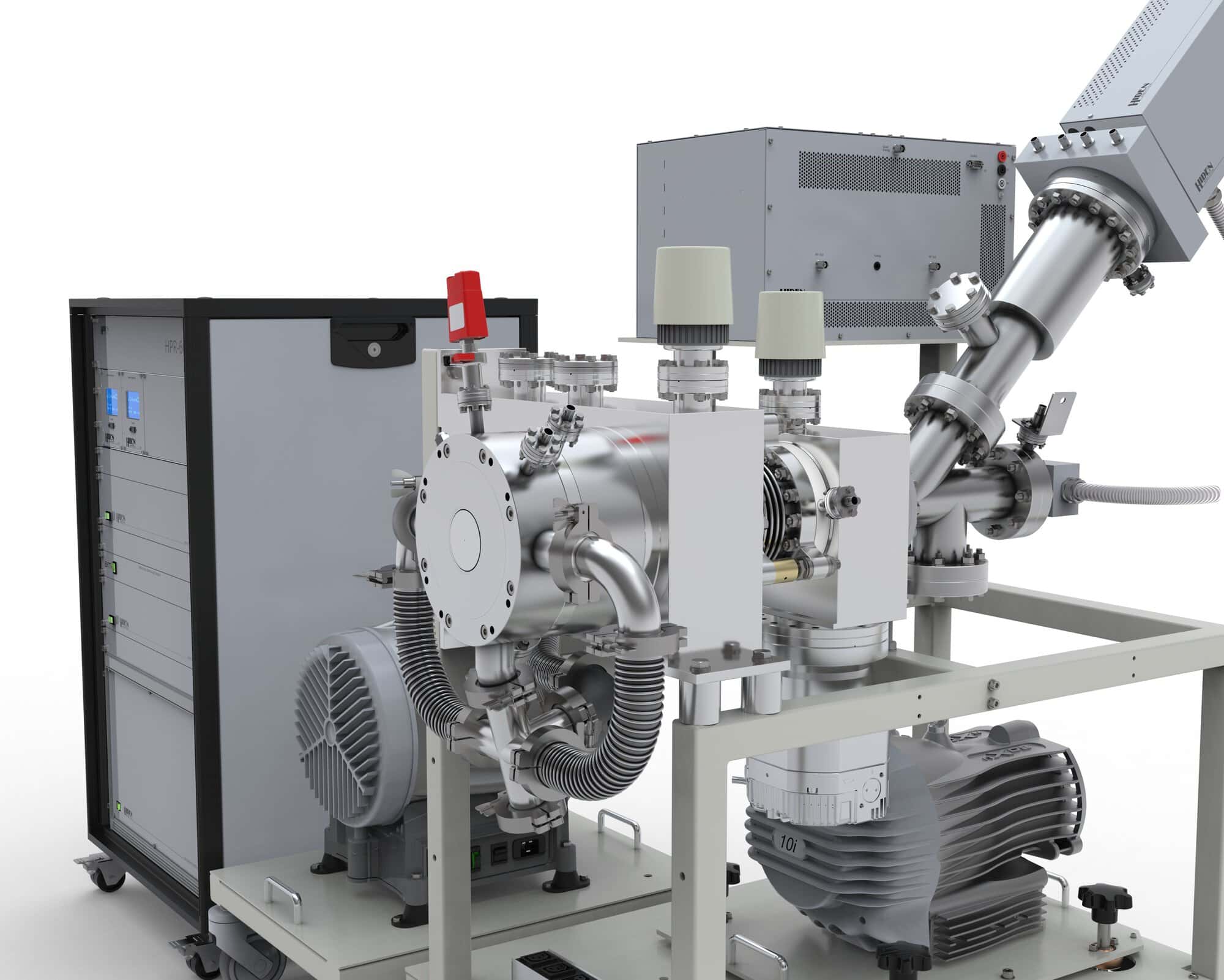
HPR-60 MBMS
Molecular-Beam Sampling of Reactive Plasma Species
Molecular-beam mass spectrometry for reactive plasma and fusion ion-source studies. Multistage differential pumping enables analysis of neutral, radical and ionic species while minimising reactions and wall interactions between the plasma and mass spectrometer.
Hydrogen Isotope Retention and Release
Connect isotope depth profiles with temperature-dependent release.
Investigate how hydrogen isotopes are implanted, retained, transported and released from plasma-facing materials, structural alloys, coatings and other fusion-relevant materials.
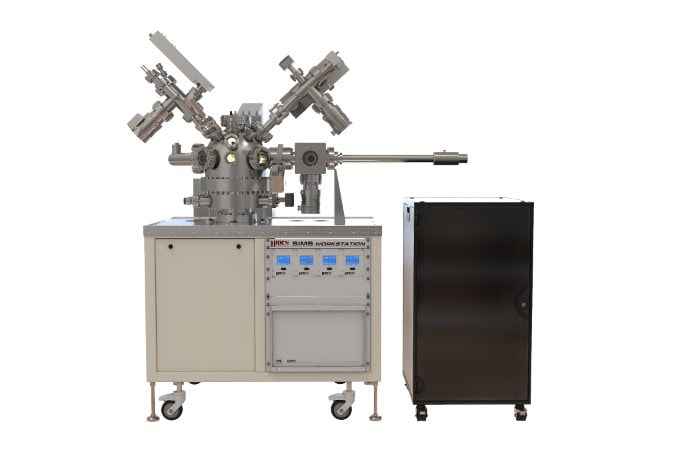
SIMS Workstation
Depth-Resolved Isotope and Materials Analysis
Depth-resolved analysis of hydrogen-isotope retention and material composition in fusion-relevant surfaces. The SIMS Workstation provides elemental and isotope depth profiling to investigate where species are retained and how their distribution changes through plasma-facing materials, coatings and structural alloys.
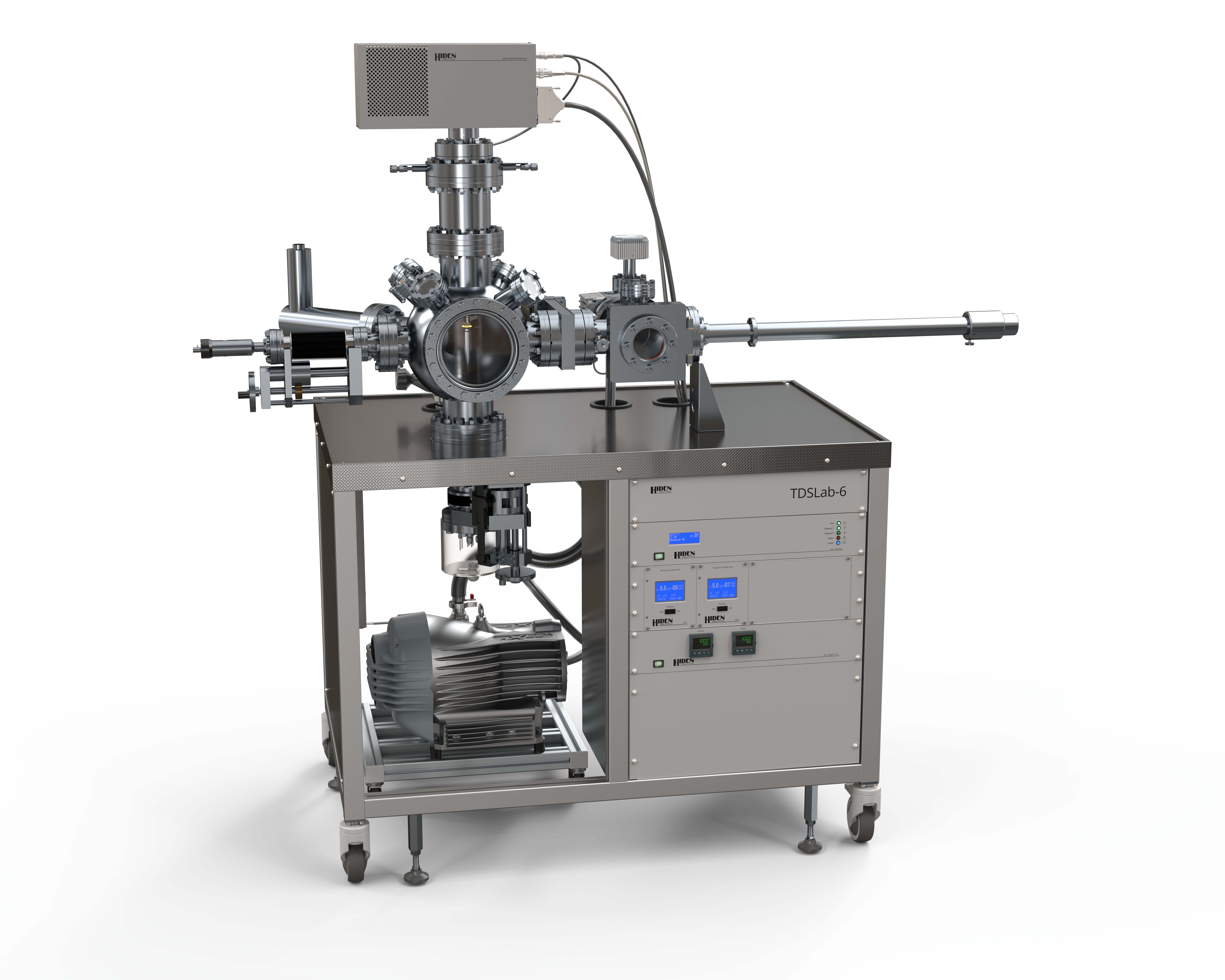
TDSLab Series
Temperature-Resolved Hydrogen-Isotope Release
Temperature-resolved analysis of hydrogen-isotope release from fusion-relevant materials. Controlled thermal desorption combined with mass spectrometry helps researchers investigate isotope trapping, retention and release from plasma-facing materials, structural alloys and coatings.
What Do You Need to Measure?
Whether your research involves fusion fuel composition, vacuum conditions, plasma species and energies, or hydrogen-isotope behaviour in materials, talk to our team about the measurement you need to make.
