
Residual Gas Analysis and Vacuum Processing
Vacuum Processing and Residual Gas Analysis Applications
Residual gas analysis (RGA) supports vacuum processing applications by helping users understand the gases and vapours present within vacuum chambers, processes, and research environments. Hiden Analytical supports RGA and vacuum-related workflows across residual gas analysis, MBE, molecular beam studies, and freeze drying, as well as vacuum process gas analysis for CVD, MOCVD and ALD, and residual gas analysis for vacuum processing.
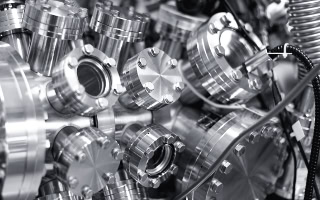
Residual Gas Analysis
For routine, fast, wide dynamic range residual gas analysis.
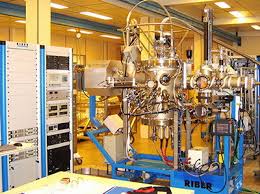
MBE
Systems for Quality Control and Characterisation of MBE Processes.
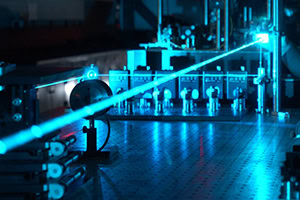
Molecular Beam Studies
For molecular beam analysis.

Freeze Drying
For process monitoring and leak detection.

Vacuum Process Gas Analysers for CVD / MOCVD / ALD
For direct information on gas reactions in process monitoring.
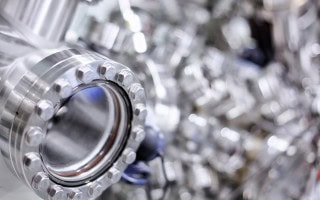
Residual Gas Analysis for Vacuum Processing
For process monitoring and leak detection.
What is Residual Gas Analysis?
Residual gas analysis, also known as RGA, is the analysis of gas and vapour species present in vacuum chambers and vacuum processes. As part of wider gas analysis workflows, RGA residual gas analysis can help users investigate vacuum quality, residual gases, process conditions, leaks and contamination sources. RGA analysis is used across research, process monitoring, and vacuum diagnostics where understanding gas composition is important.
What is Vacuum Processing?
Vacuum processing refers to research, manufacturing or analytical processes carried out under reduced pressure or controlled vacuum conditions. These environments are used in applications such as:
- Thin film deposition
- MBE (Molecular Beam Epitaxy)
- CVD (Chemical Vapour Deposition)
- MOCVD (Metal-Organic Chemical Vapour Deposition)
- ALD (Atomic Layer Deposition)
- Freeze drying
- Vacuum diagnostics
Monitoring gases and vapours during vacuum processing can help users understand process stability, contamination sources, leak behaviour, and changes in the vacuum environment.
What’s the Difference Between RGA and Vacuum Processing?
Vacuum processing is the broader process environment or workflow, while residual gas analysis is an analytical technique used to monitor gases and vapours within that environment. In practice, the two are closely linked; RGA can support vacuum process monitoring, leak detection, contamination analysis, and vacuum quality checks by giving users insight into the species present during a vacuum-based process.
Residual Gas Analysis Applications
Hiden Analytical supports residual gas analysis applications across vacuum diagnostics, process monitoring and research environments, including molecular beam studies.
These applications can involve the analysis of residual gases, process gases, vapours and contaminants within vacuum systems. Depending on the application and system configuration, users may also investigate light gases, hydrogen isotopes, helium, neutrals, radicals or ions. Discover our range of RGA analysers to compare product options for residual gas analysis and vacuum-related workflows.
Vacuum Processing Applications
Hiden also supports vacuum processing applications where process monitoring, gas analysis or leak detection may be required, including:
- Residual gas analysis for vacuum processing
- Vacuum process gas analysers for CVD, MOCVD and ALD
- MBE process analysis
- Freeze drying process monitoring
