
Electrochemistry
Electrochemistry Applications
Electrochemical analysis supports research into reactions where electrical energy and chemical change are closely connected. Hiden Analytical’s electrochemistry applications cover workflows including DEMS, electrolysis, fuel cell studies, battery development, CO₂ reduction, electrocatalyst studies and cathode studies, helping researchers investigate gaseous and volatile products generated during electrochemical processes.
CO2 Reduction
The electrochemical reduction of carbon dioxide (CO2) into valuable intermediary chemicals is an enticing avenue of ongoing research.
Electrolysis
Electrolysis refers to the broad range of chemical reactions that are electronically-driven.
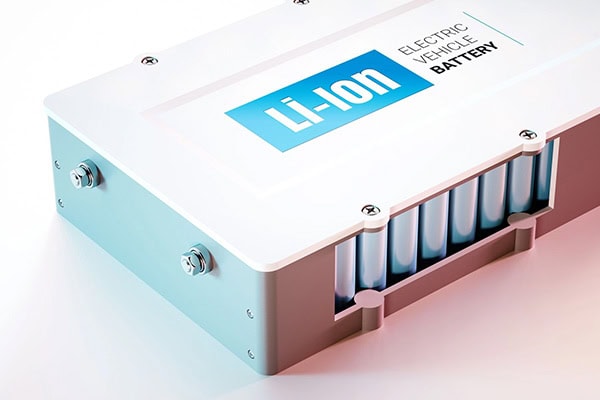
Cathode Studies
Cathode studies largely focus on exploring the use of new and improved materials suitable for energy storage applications.

Lithium Ion Battery Development
Modern electronic devices demand high-performance energy storage solutions that can satisfy their high-power demands with greater efficiency and in a compact format.
Electrocatalysis & Electrocatalytic Studies
Electrocatalysis sits at the intersection of electrochemistry and materials science, focusing on reactions that occur at electrode surfaces.

Fuel Cell Studies
Fuel cell studies represent a key frontier in the development of sustainable energies and advanced energy storage devices.

DEMS
Differential Electrochemical Mass Spectrometry
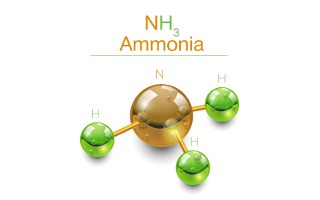
Nitrogen Reduction
A Sustainable Ammonia Production Method
What is Electrochemistry?
Electrochemistry is the study of chemical reactions involving electrical energy, including processes that take place at electrodes, within electrochemical cells and across catalyst or electrolyte interfaces. In research and industrial development, electrochemistry is central to areas such as batteries, fuel cells, electrolysis, CO₂ conversion and electrocatalysis. Hiden’s electrochemistry instruments support electrochemical analysis by combining electrochemical workflows with mass spectrometry, helping users monitor gases, volatile products and reaction species generated during electrochemical processes.
Electrochemistry Application Examples
DEMS electrochemistry applications connect electrochemical half-cell experiments with mass spectrometry to support the analysis of gaseous or volatile reaction products. This can help researchers investigate reaction mechanisms, intermediates and product formation during electrochemical experiments.
In energy research, electrochemistry applications support studies into hydrogen generation, water electrolysis, fuel cells and CO₂ conversion. Hiden application areas include CO₂ reduction electrochemistry, fuel cell studies and electrolysis applications, where understanding gas evolution and reaction products can provide useful insight into electrochemical behaviour.
Electrochemistry analysis is also relevant to materials and device research, including lithium ion battery development, electrocatalyst studies and cathode studies. These applications help researchers study how materials, catalysts and operating conditions influence electrochemical processes.
Benefits of Electrochemistry
Electrochemistry applications can support research and development by helping users connect electrical behaviour with chemical change. When combined with mass spectrometry, these workflows can provide additional insight into gases, volatile species and reaction products generated during electrochemical experiments.
Key benefits include:
- Supporting investigation of electrochemical reaction pathways.
- Helping identify and monitor gaseous or volatile products.
- Supporting research into batteries, fuel cells, electrolysis, CO₂ reduction and electrocatalysis.
- Helping compare reaction behaviour under different experimental conditions.
- Supporting product selection and application-specific method development.
- Providing additional insight alongside established electrochemical techniques.
