
Catalysis and Thermal Analysis
Catalysis & Thermal Analysis Applications
Catalysis and thermal analysis applications support research into reaction behaviour, catalyst performance, evolved gas analysis, and temperature-dependent material processes. Hiden Analytical supports workflows across catalysis, thermal analysis, heterogeneous catalysis, automotive catalysts, biocatalysis, catalyst characterisation, electrocatalysis, plasma catalysis, surface chemistry, operando spectroscopy, photocatalysis, and syngas research.

Catalysis
A system for catalyst characterization and analysis of catalytic reactions
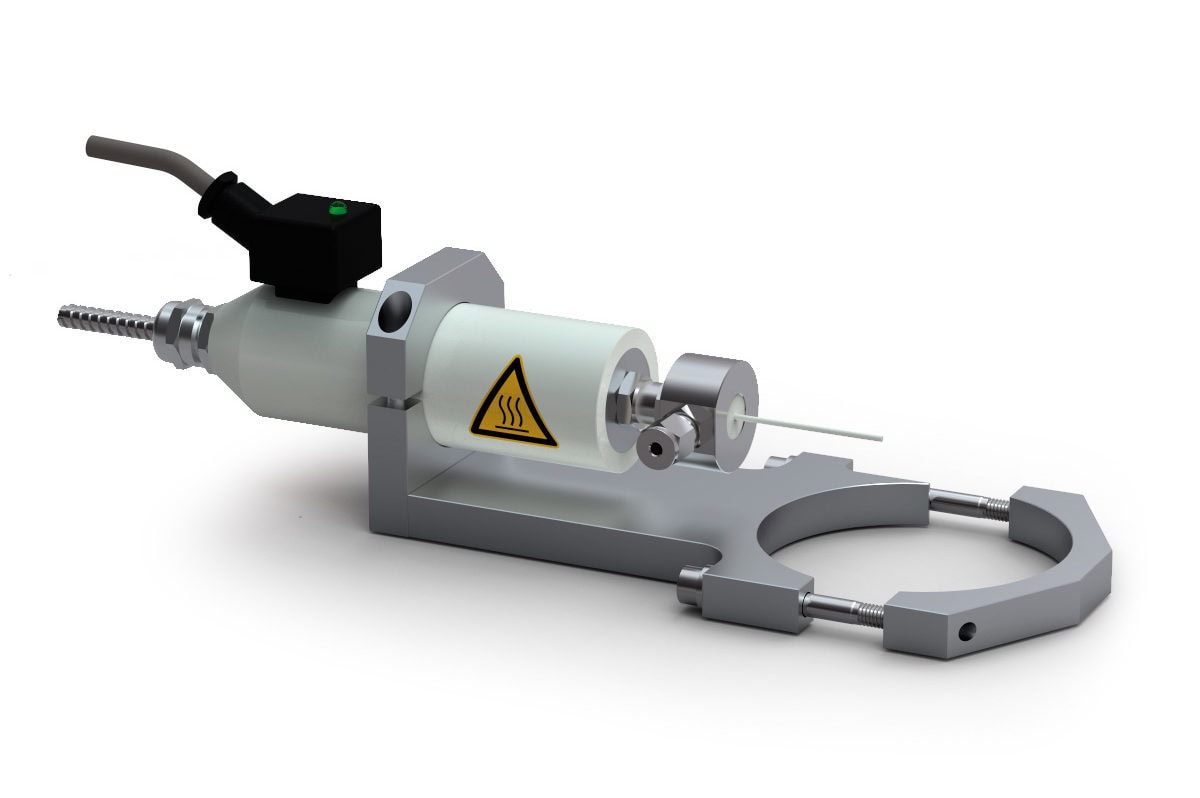
Thermal Analysis
For evolved gas analysis as a function of time and temperature
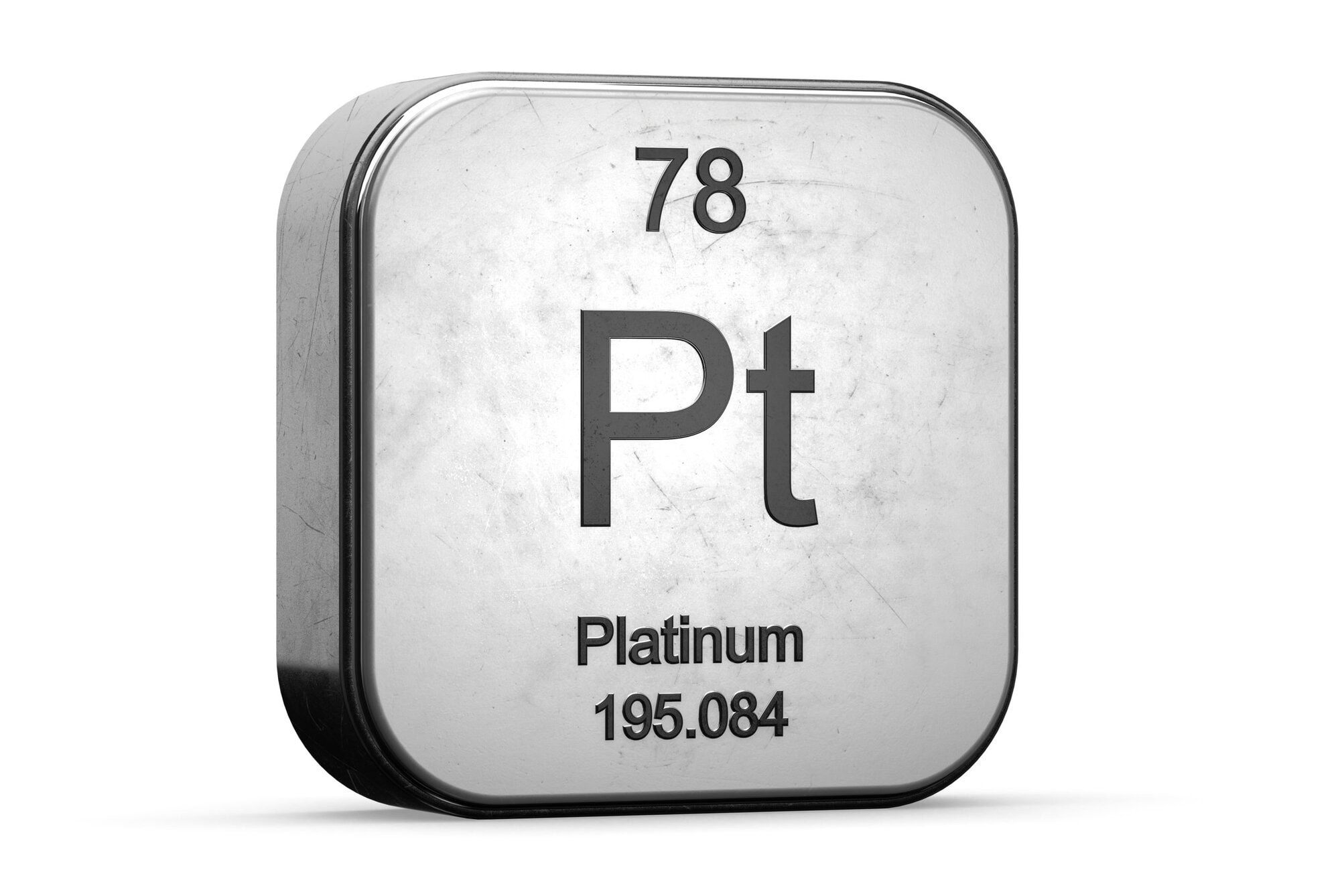
Heterogeneous Catalysis
Heterogeneous catalysis is an enormously broad field of study, encompassing every catalytic reaction between gas or liquid phases that occurs on the surface of a solid catalyst.
Automotive Catalysts
Automotive catalysts are employed to restrict and reduce the emission of gases that are detrimental to our environment.
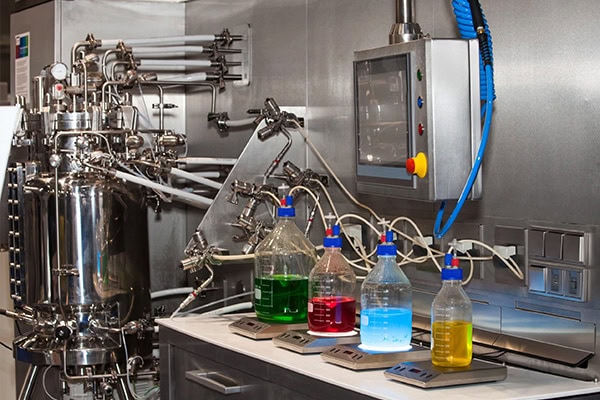
Biocatalysis
Biocatalysts are natural compounds that can accelerate organic chemical reactions.
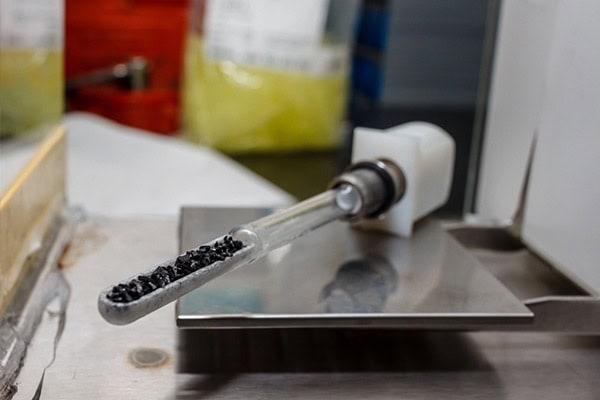
Catalyst Characterisation
Understanding the reaction kinetics of a given catalyst is important, but it is not always the final word in catalyst characterization.
Electrocatalysis & Electrocatalytic Studies
Electrocatalysis sits at the intersection of electrochemistry and materials science, focusing on reactions that occur at electrode surfaces.

Plasma Catalysis
Plasma catalysis describes what occurs when a plasma discharge is coupled with a compound containing catalytic properties.
Surface Chemistry
The term surface, or interface, is used to describe the boundary between two different phases; a platinum catalyst and its operating environment, for example.

Operando Spectroscopy
Operando spectroscopy is a powerful analytical method used to characterise various molecular properties of catalytic systems including structure-activity and selectivity relationships.

Photocatalysis
Photocatalysts are materials, typically transition metal oxides or semiconductors, capable of increasing the rate of photochemical reactions.
Syngas
Syngas, a mixture of carbon monoxide and hydrogen, is pivotal in heterogeneous catalysis, producing a variety of products including fuels, fertilizers, and polymers.
What is Catalysis?
Catalysis applications involve the study of reactions influenced by catalysts: substances that affect the rate, pathway or outcome of a chemical reaction without being consumed by the reaction. In catalyst research, understanding reaction products, gas-phase species, surface chemistry, and kinetic behaviour can help researchers evaluate how catalytic materials perform under different experimental conditions.
Hiden Analytical systems support applications of catalysis across catalyst characterisation, reaction testing and gas analysis workflows. Relevant areas include:
- Heterogeneous catalysis
- Automotive catalysts
- Biocatalysis
- Catalyst characterisation
- Surface chemistry
- Plasma catalysis
- Photocatalysis
About Thermal Analysis
Thermal analysis studies how materials, evolved gases or reaction behaviour change as a function of temperature and time. Common thermal analysis techniques may involve:
- Controlled heating
- Cooling or isothermal measurements to investigate material behaviour
- Desorption
- Decomposition
- Reduction
- Oxidation or other temperature-dependent processes
When thermal analysis is paired with mass spectrometry, users can analyse evolved gases and vapours produced during a thermal profile. Hiden supports thermal analysis mass spectrometer systems for workflows such as evolved gas analysis, TGA-MS, temperature programmed studies, desorption studies, and materials characterisation. These applications of thermal analysis can help researchers connect changes in a sample or reaction environment with the gases and vapours released during the experiment.
