
The direct conversion of methane into valuable chemicals is an attractive prospect, given its vast reserves and low global cost. However, methane’s molecular structure presents a significant challenge to its efficient conversion into higher hydrocarbons suitable for storage and transportation. Methane dehydroaromatization (MDA) over transition metal-modified zeolites, such as Mo, W, or Fe modified ZSM-5, is one promising process that has garnered increasing scientific interest.
Co-feeding strategies represent an effective approach to enhancing methane conversion and improving catalytic performance. The investigation of co-reactants – including CO, CO2, O2, NO, and H2O – has revealed that these additives can inhibit catalyst deactivation and extend the lifetime of methane dehydroaromatization (MDA) reactions. Biomass-derived furanic compounds, such as furan, furfural, 2-methylfuran, and 5-hydroxymethylfurfural, are key platform molecules obtainable from lignocellulose and utilized for aromatics production via complex processes – including Diels–Alder condensation, decarbonylation, oligomerization, and alkylation – employing acidic zeolite catalysts. Specifically, co-aromatization of methane with furan is believed to facilitate methane activation, overcoming thermodynamic barriers and promoting increased aromatics selectivity. Furthermore, low levels of oxygen in furan are hoped to selectively oxidize carbonaceous deposits, protecting catalyst deactivation and enhancing long-term stability.
In this work, we utilized solid-state nuclear magnetic resonance (NMR) spectroscopy coupled with a Hiden HPR-20 mass spectrometer to systematically examine the reaction mechanism and evaluate the impact of furan co-feeding on methane aromatization over Mo modified ZSM-5 zeolite (Mo/ZSM-5). Online mass spectrometry (MS) analysis of the first 30 minutes revealed a faster disappearance of oxygen-containing products (H2O, CO, and CO2) in the co-feeding reaction compared to the MDA reaction with methane alone. Consequently, the furan co-feeding reaction exhibited a notably short activation period for ethylene and benzene production (5 vs. 8 minutes).
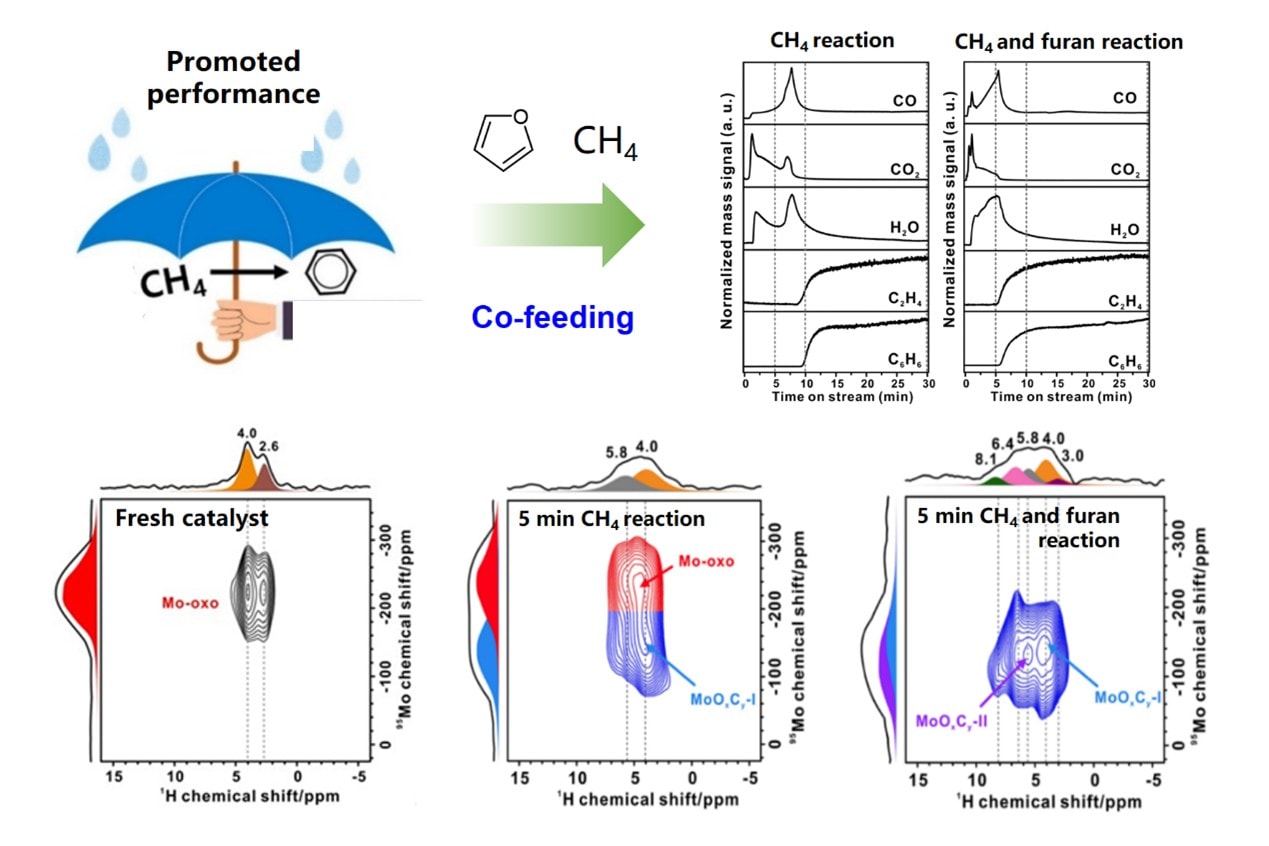
Figure 1. Combined NMR and Online MS Analysis.
Simultaneously, 1H–95Mo solid-state NMR correlation spectra were performed to observe the evolution of Mo species during these reactions. The fresh catalyst exhibited 1H–95Mo correlation peaks of exchanged Mo-oxo species, recognized as a precursor to the active Mo species. Following 5 minutes of methane-only reaction, the exchanged Mo-oxo species were partially reduced to form MoOxCy-I species. Comparatively, a more complex catalytic environment emerged after 5 minutes of co-feeding methane with furan, where the exchanged Mo-oxo species were fully reduced to form both MoOxCy-I and a second, distinct MoOxCy-II species.
Taking the MS analysis results together, it can be concluded that the MoOxCy-II are active species for the MDA reaction over Mo/ZSM-5, highlighting the critical role of co-feeding furan in accelerating the formation of active Mo species.
Project Summary by: Dr. Guodong Qi, Prof. Dr. Xu Jun and Prof. Dr. Feng Deng. Innovation Academy for Precision Measurement Science and Technology, CAS, Wuhan, China.
Paper Reference: Gao, W.; Qi, G.; Wang, C.; Wang, Q.; Liang, J.; Xu, J.; Deng F. Molybdenum/ZSM-5 Catalyzes Methane Co-Aromatization with Furan: Unveiling the Mechanism with Solid-State NMR. ACS Catal. 2024, 14, 11, 8220–8231. DOI:10.1021/acscatal.4c01827.
Hiden Product: HPR-20.
